Dimensions and Technical Standards for Bathroom Furniture
AML Tips and Guides
The correct definition of dimensions and compliance with technical standards are essential factors when selecting bathroom furniture, especially in professional contexts such as resale, hospitality and architectural projects. Technically suitable furniture ensures functionality, comfort, compatibility with sanitary ware and long-term durability.
In this guide, we share the main technical criteria to consider when selecting professional-quality bathroom furniture.
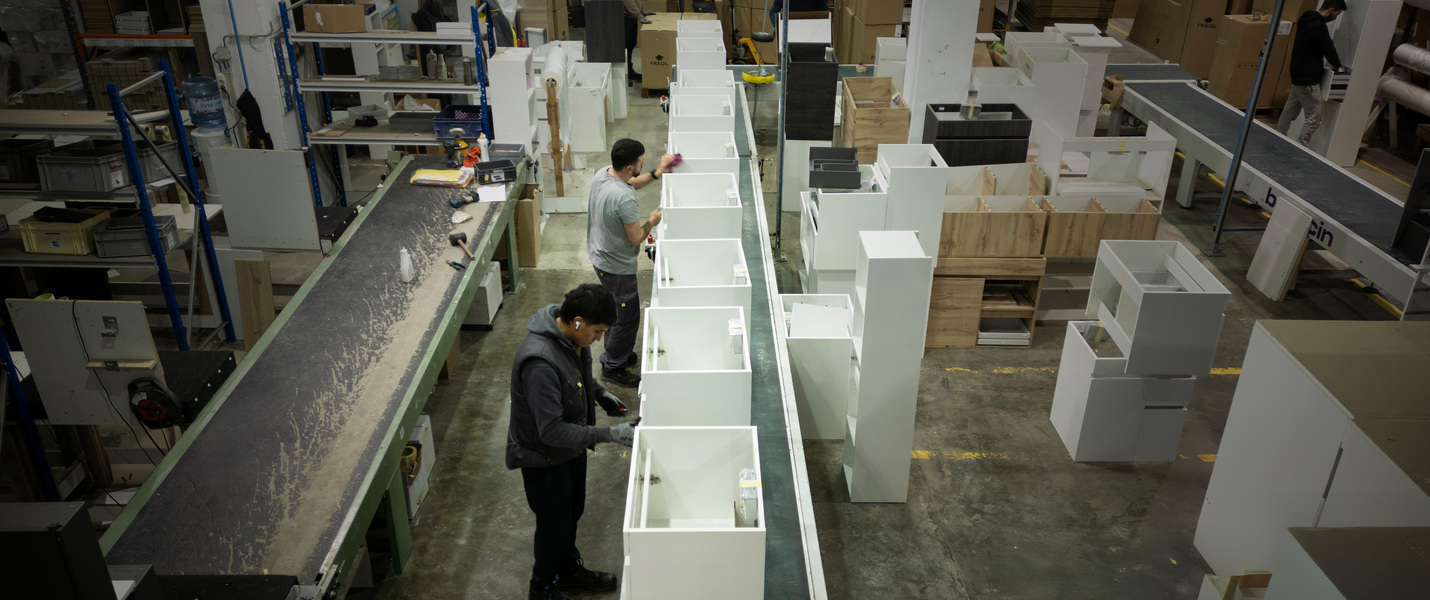
Choosing bathroom furniture with correct dimensions and technical compliance is an investment in functionality, safety and quality. For professionals, working with experienced manufacturers ensures products developed according to demanding technical standards and prepared for different usage contexts.
Standard dimensions in bathroom furniture
Although customised solutions exist, most professional projects are based on standardised dimensions that facilitate installation, replacement and resale.
Main technical references:
-
Height of wall-hung units: generally between 80 and 85 cm (including the washbasin)
-
Depth: between 45 and 50 cm, ensuring comfort and ergonomics
-
Most common widths: 60 cm, 80 cm, 100 cm and 120 cm
These dimensions ensure compatibility with most washbasins and taps available on the European market.
Compatibility with washbasins and taps
One of the most common mistakes in bathroom projects is the lack of compatibility between the furniture, washbasin and tap.
Technical aspects to consider:
-
Type of washbasin (inset, countertop, integrated)
-
Tap hole configuration (on the washbasin or on the furniture)
-
Internal space for the siphon and plumbing connections
-
Resistance of the top to water contact
Specialised manufacturers develop furniture already prepared for these requirements, avoiding on-site adaptations.
Technical standards and quality requirements
Bathroom furniture must meet specific requirements due to humidity and intensive use.
Essential technical criteria:
-
Resistance to humidity and steam
-
Structural stability
-
Secure fixing systems (especially for wall-hung furniture)
-
Hardware suitable for frequent use
Compliance with these standards is particularly important in professional projects and B2B channels.
Correct installation and safety
Proper installation directly influences the durability and safety of the furniture.
Technical best practices:
-
Wall fixing using certified systems
-
Verification of the maximum supported load
-
Correct levelling
-
Adequate distances between furniture, sanitary ware and walls
These recommendations help prevent future issues and ensure long-term product durability.